Article: The Journey of Talavera: A Story Told Across Continents
The Journey of Talavera: A Story Told Across Continents
I grew up in the hallways of Mercado Juárez, where my mom and many of our relatives had inherited their booths. Some sold Mexican curiosities, others handcrafted piñatas, leather goods, paintings, and countless other works of art. Every corner of that market had its own personality. It was filled with the colors, aromas, music, and energy of people creating and sharing something beautiful.
As a child, I didn't see those pieces the way I do today. I wasn't thinking about craftsmanship, history, or artistic traditions. I simply remember being fascinated by the vibrant colors, the happiness of the visitors, and the excitement of families—especially those crossing from the United States in search of a little piece of Mexico to take home.
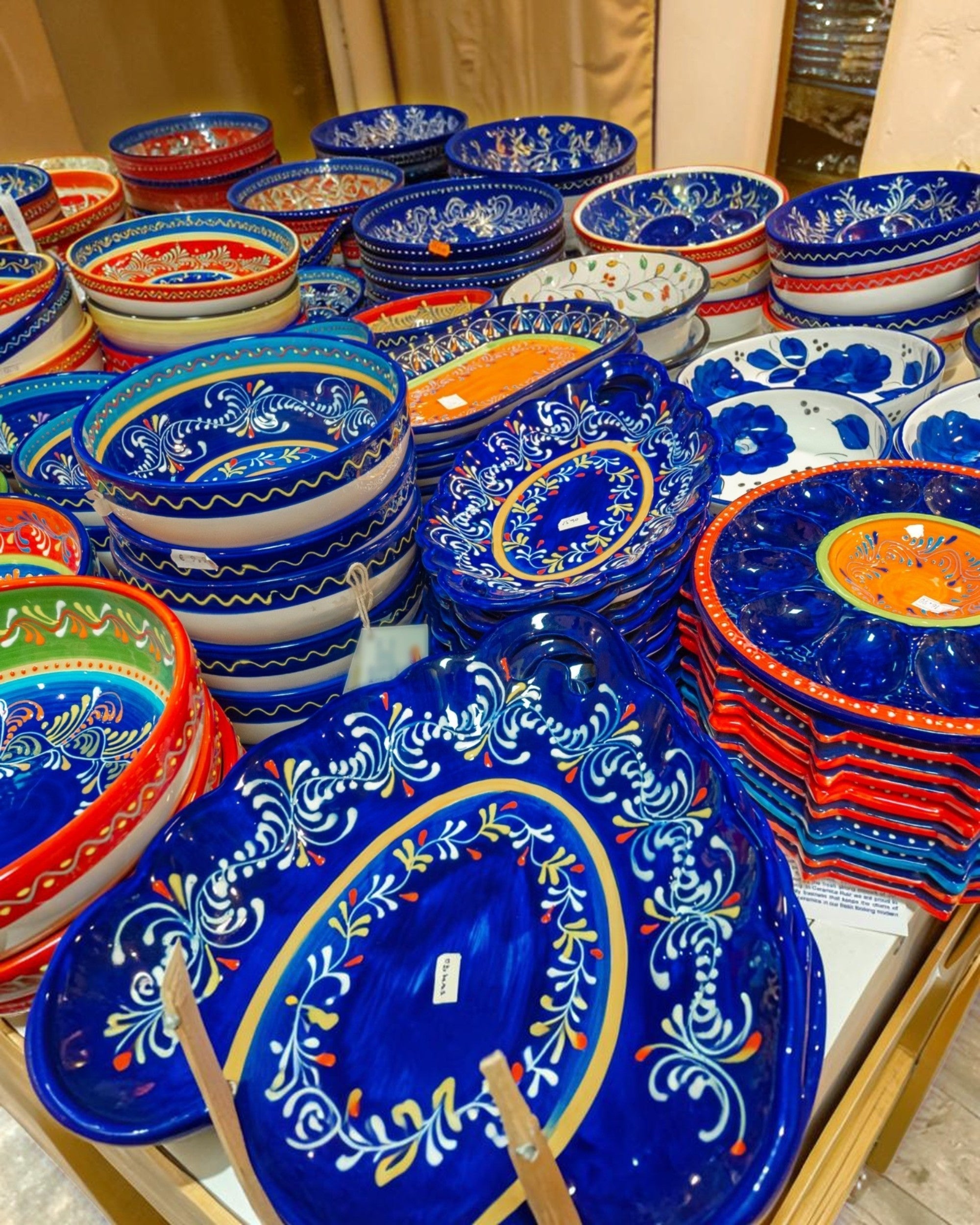
Throughout my life, my parents owned several arts and crafts stores, and one type of artwork always captured my attention: Talavera. Its rich colors seemed to make people smile. To me, Talavera wasn't just pottery—it represented joy.
Years later, as I began curating handcrafted pieces for Patio Rosa—from cast aluminum sculptures and outdoor furniture to Talavera pottery—I found myself asking a question I had never considered before:
Where did Talavera actually come from?
The answer surprised me.
Talavera is more than colorful pottery. It is a story of movement, craftsmanship, and cultures meeting across centuries.
The name Talavera comes from Talavera de la Reina, a historic city in central Spain that became famous for its pottery and decorative tiles. But the roots of the craft reach much deeper. Long before Talavera became associated with Spain or Mexico, ceramic traditions from the Islamic world helped shape the techniques that would later influence Spanish pottery.
During the centuries of Moorish presence in the Iberian Peninsula, artisans from North Africa introduced advanced ceramic methods, including tin-glazed pottery, intricate geometric designs, and refined decorative techniques. Over time, Spanish artisans combined these influences with styles from Italy and Flanders. In Talavera de la Reina, this remarkable blend of cultures gave birth to the pottery tradition that would eventually carry the city's name.
In the 16th century, those ceramic traditions crossed the Atlantic. Spanish potters, friars, and artisans brought their knowledge to New Spain, particularly to Puebla, Mexico, where churches, convents, and public buildings created a growing demand for decorative tiles and handcrafted ceramics.
But once Talavera arrived in Mexico, it did not remain simply Spanish.
In Puebla, European ceramic techniques met local clay, Indigenous artistry, Mexican color, and generations of native ceramic knowledge. The result was Talavera Poblana: a unique artistic tradition that became one of Mexico's greatest cultural treasures.
Over time, Talavera continued to evolve. Trade between Asia and New Spain introduced Chinese porcelain, whose elegant blue-and-white designs inspired many of the patterns that became characteristic of Mexican Talavera. What emerged was something extraordinary: an art form shaped by centuries of cultural exchange, where Islamic techniques, Spanish craftsmanship, European influences, Indigenous Mexican artistry, and Asian inspiration all found a place together.
Perhaps that's what I find most beautiful about Talavera.
Every piece carries more than color and pattern. It carries history, culture, craftsmanship, and the hands of artisans who have preserved this tradition for generations.
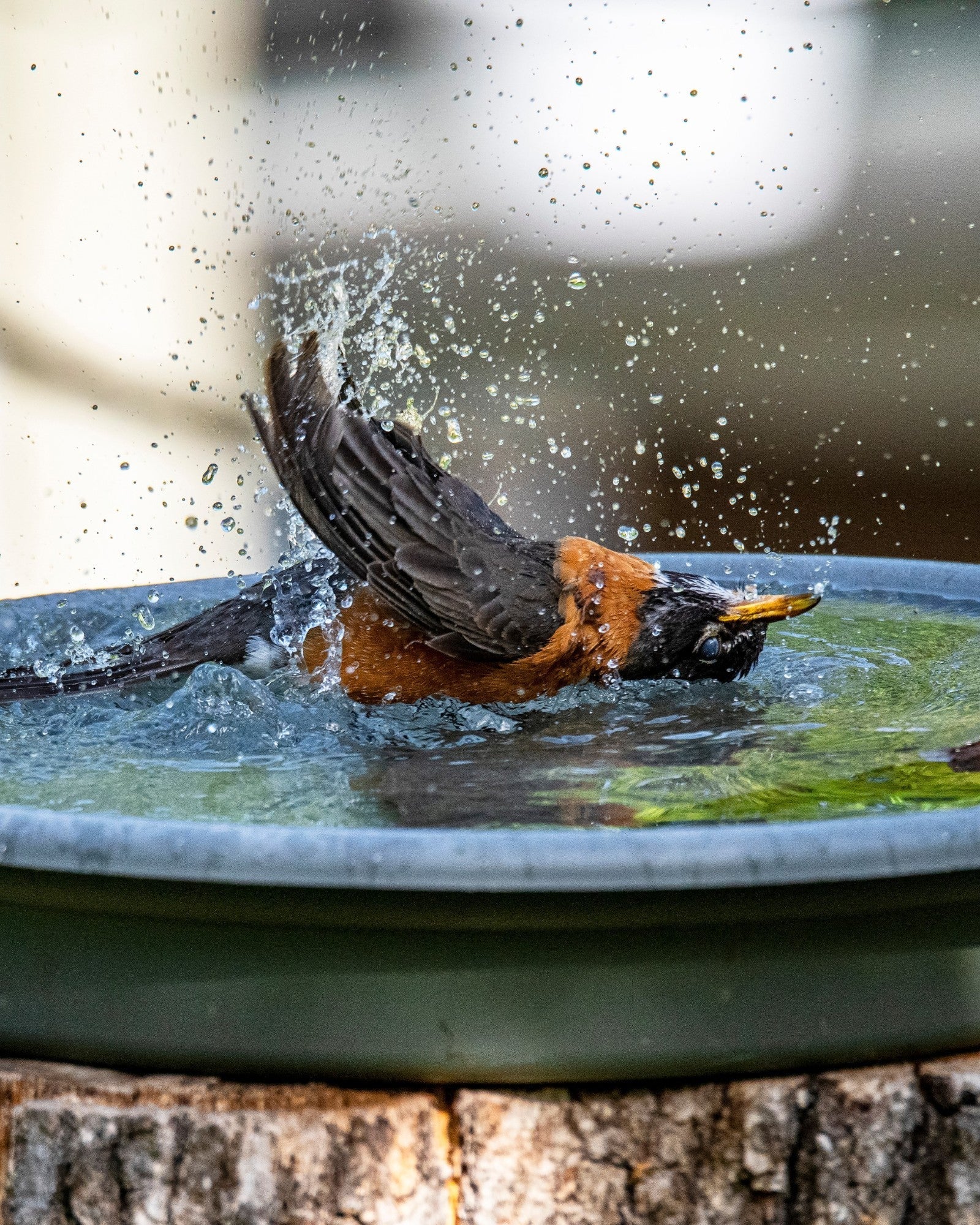
At Patio Rosa, we believe Talavera is more than décor. Whether it's a planter welcoming visitors at your front door, a bird bath tucked into a peaceful garden, or a colorful accent inside your home, every piece tells a story. My hope is that when you bring Talavera into your home, it becomes part of your story, too.
Because the most meaningful pieces aren't simply purchased—they're appreciated, lived with, and passed from one generation to the next.